Writing
Blog
Thinking about AI product building, hands-on AI tools, governance, and the economics of shipping AI in production.
Writing
Thinking about AI product building, hands-on AI tools, governance, and the economics of shipping AI in production.
Showing 49–60 of 84 articles

Per-seat pricing is dying but the replacement is not simple. A practical framework for AI pricing that covers usage-based, outcome-based, and hybrid models.

Unlimited headcount kills AI adoption. One engineer per project, unlimited tokens, and the constraint to figure it out produces the best AI-native work.

Going from zero to end in hours sounds like progress. It's also how you ship a product nobody can navigate. The real skill is knowing when to stop.

Most AI governance is either theatre or a bottleneck. A risk-tiered framework built from shipping AI features to AFSL-regulated Tier 1 banks in production.
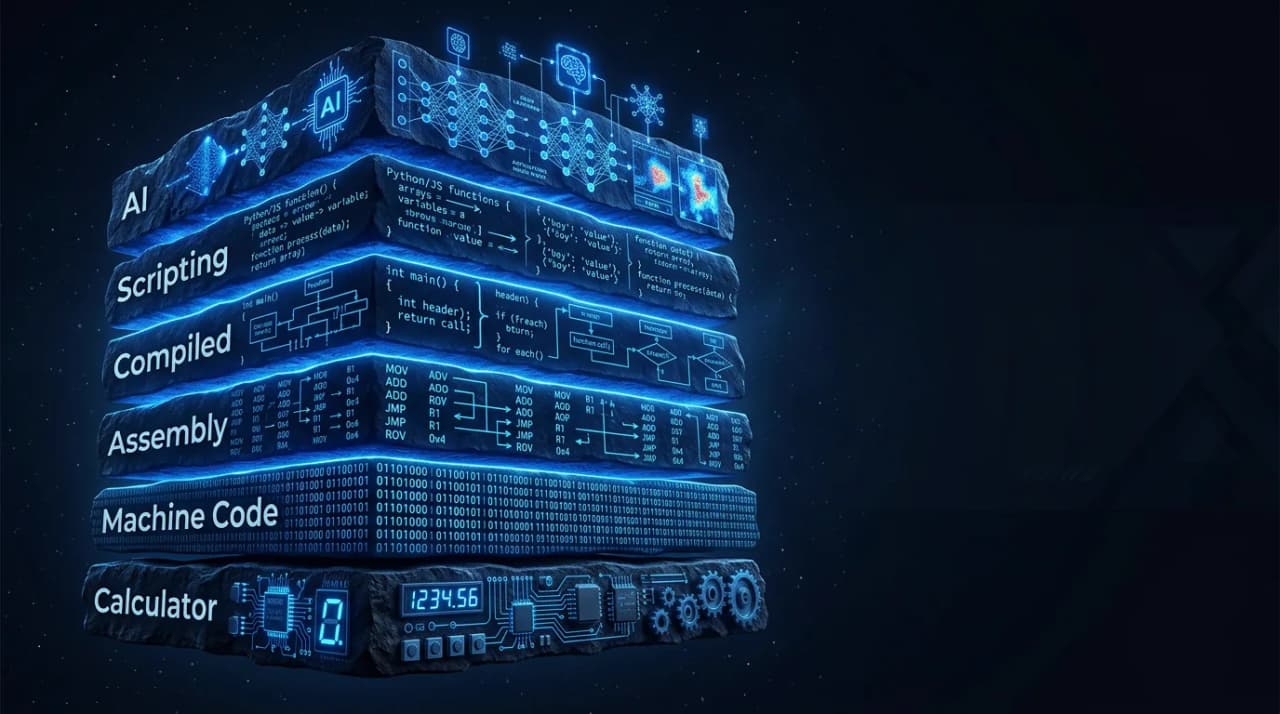
AI coding is the sixth abstraction layer in 80 years. Every previous layer was dismissed as not real programming by the practitioners of the one below.
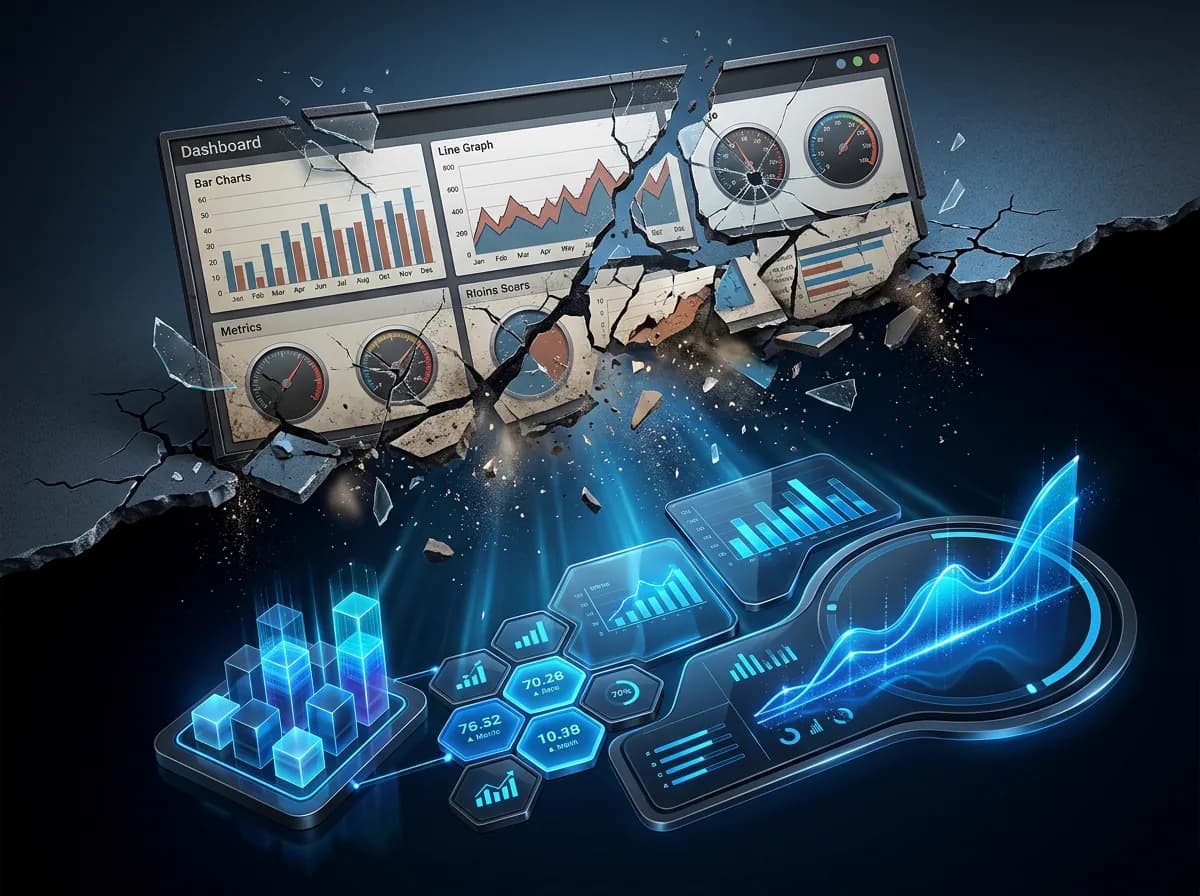
DAU, time-in-app, and NPS were built for a world where humans do the work. AI products need different metrics. A framework for what to measure and why.

Scaffolding gives you 10-20% gains that the next model wipes out. The bitter lesson for product builders: give the model tools and a goal, not a workflow.

The window for AI-enabled builders to capture outsized value is open but narrowing fast. Vertical SaaS is being built by individuals, not large teams.

AI features that work in demos fail in deployment because adoption is a product problem, not a training problem. A playbook from rolling out AI to Tier 1 banks.

Weekend build to 145K GitHub stars to acquisition in weeks. The pattern: agents that execute locally instead of chatting in a browser window win on adoption.

Your AI product market fit depends on a model that has not shipped yet. Build your product architecture for the capability curve, not today's snapshot.

What I learned from prototyping voice reception for service businesses, and the latency, authority and handoff work required before production.