Category
AI Product Building
Practical posts on shipping AI products: architecture patterns, evaluation frameworks, pricing models, multi-model orchestration and UX design.
Category
Practical posts on shipping AI products: architecture patterns, evaluation frameworks, pricing models, multi-model orchestration and UX design.
Showing 1–12 of 33 articles in AI Product Building
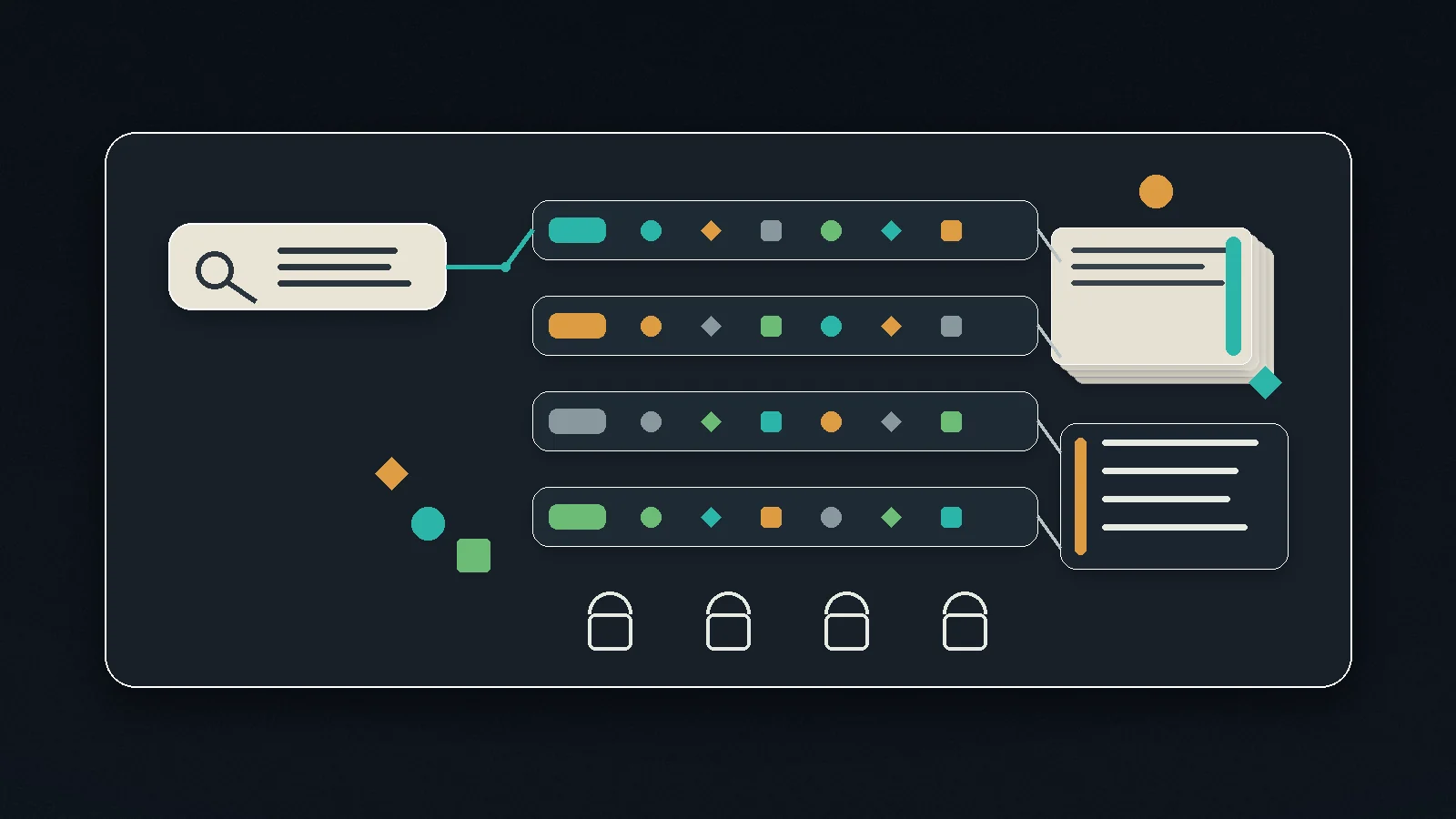
AI search is hybrid retrieval, grounded answers, evidence UX, and action. Build the answer contract before choosing vendors.

An agent-ready platform works for humans and browser agents: stable actions, permissions, observability, and UX that survives automation.

Voice AI guardrails for Australia: privacy, call recording, offshore storage, tool gates, cost controls, and build-vs-buy checks.
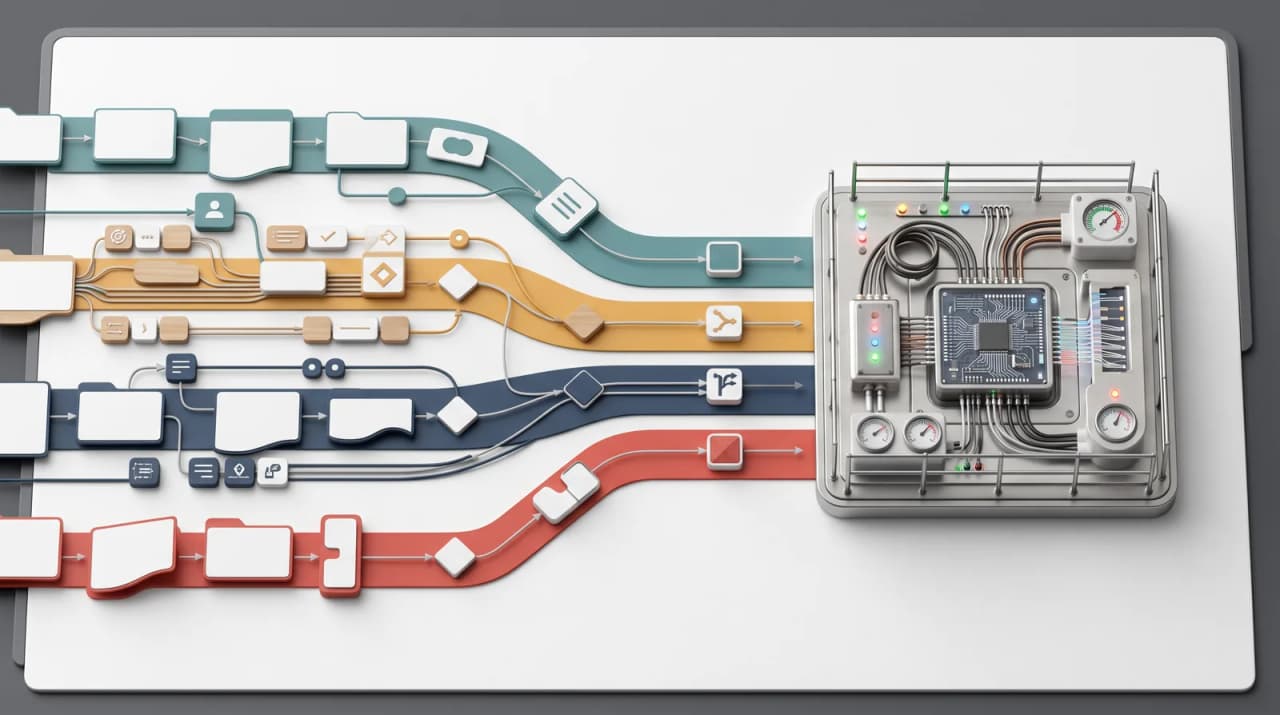
Agent strategy starts with the work customers need done. Without that map, you are just automating organisational noise.

AI software quality is a production discipline. Code got cheap, but review, evals, rollback, and observability did not.

Current AI chat security best practices: prompt injection testing, external guardrails, action boundaries, and defence in depth.

Product teams reflexively strip onboarding friction. Intentional friction that helps users understand why the product is for them increases conversion.

Enterprise software encodes decades of domain knowledge across every architectural layer. Vibe coding can't shortcut what took thousands of people 25 years to accumulate.

Chat is the wrong interface for AI agents in professional software work. A well-written issue is a better agent instruction than any prompt.

Everyone is asking which AI agent is best. The real question is which platform agents will work from. The answer is whoever owns the queue.

Parental leave, a newborn and a focused AI build phase. Vibe coding works, but not the way anyone's selling it.

Engineering teams spend more on AI tokens than junior salaries. The cost structure of building software has inverted and most finance teams missed it.