Category
AI Product Building
Practical posts on shipping AI products: architecture patterns, evaluation frameworks, pricing models, multi-model orchestration and UX design.
Category
Practical posts on shipping AI products: architecture patterns, evaluation frameworks, pricing models, multi-model orchestration and UX design.
Showing 25–33 of 33 articles in AI Product Building
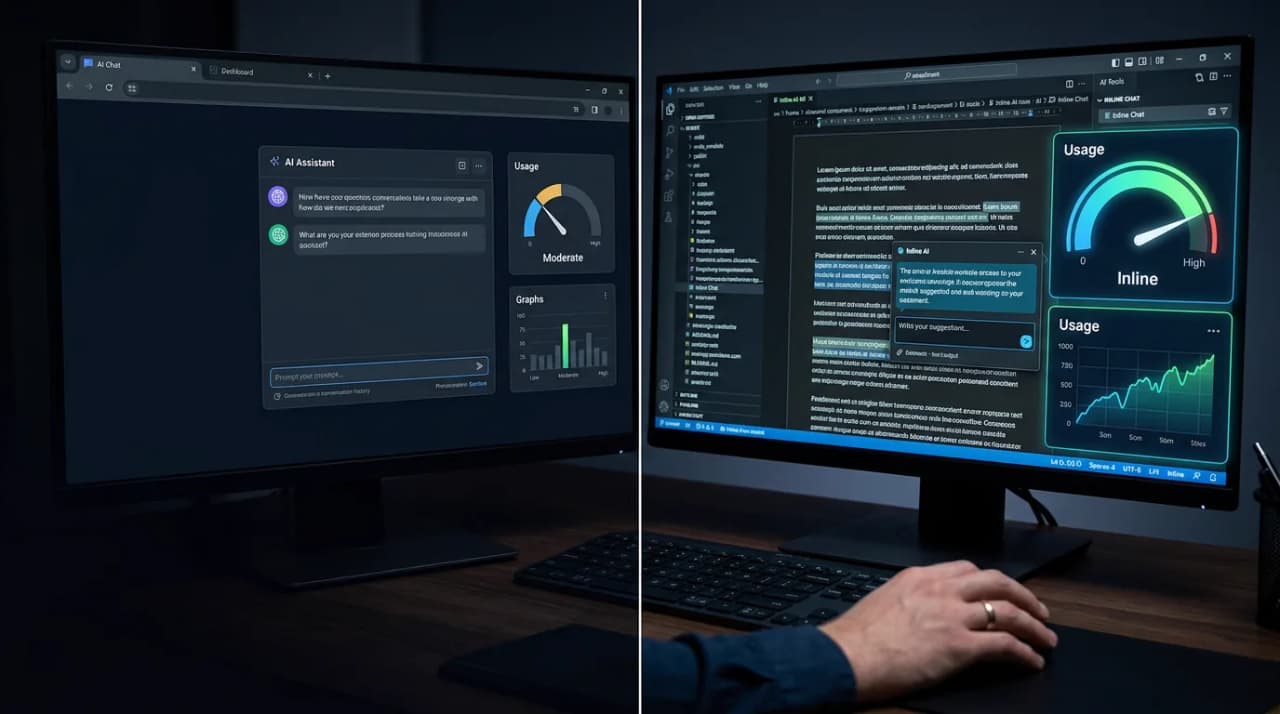
Most AI tools are deployed but unused. The friction isn't capability. AI lives in a separate tab instead of where work happens. Build inline, not destination.

4 engineers, 10 days, a new product line. AI coding agents collapsed build economics. If code is a commodity, your moat is data, integrations, and trust.

Most teams evaluate agents with manual chats and gut feel. A practical framework for eval suites that let you ship, starting with 20 examples, not 20,000.

A manager model checking every worker output increases unit cost by 2,500%. The fix: a spot-check architecture that can save 75% of your token margin.

AI is not a feature, it is a new compute paradigm. Bolting GenAI onto legacy platforms destroys unit economics. If the AI is optional, it's a gimmick.

Google's A2UI signals the end of the chatbot text wall. Agents that render native UI components instead of paragraphs change what product teams build.
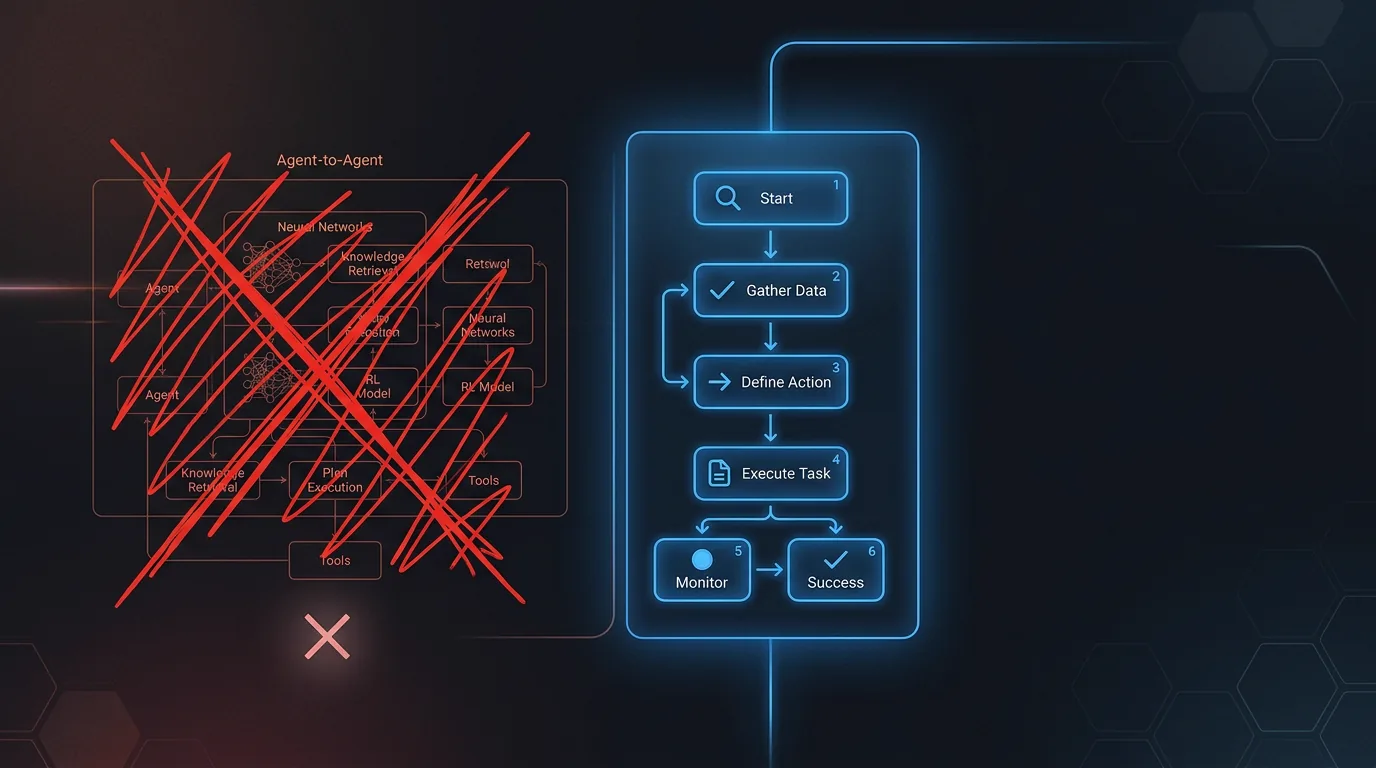
A 5-step agent at 95% accuracy per step is only 77% reliable. The path forward isn't better agents, it's narrower ones. Three rules for workflows that ship.

Building for a single model is technical debt with a short shelf life. The winning strategy is orchestration, evals, and governance, not leaderboard loyalty.

Strip the vendor marketing from Google's AI Agent Handbook and three stack-agnostic architectural patterns emerge that every product builder should steal.