The Platform That Owns the Queue Will Own the Agent Layer
TL;DR
- Agents are only as useful as the context they have. Context lives in the platform where work is recorded.
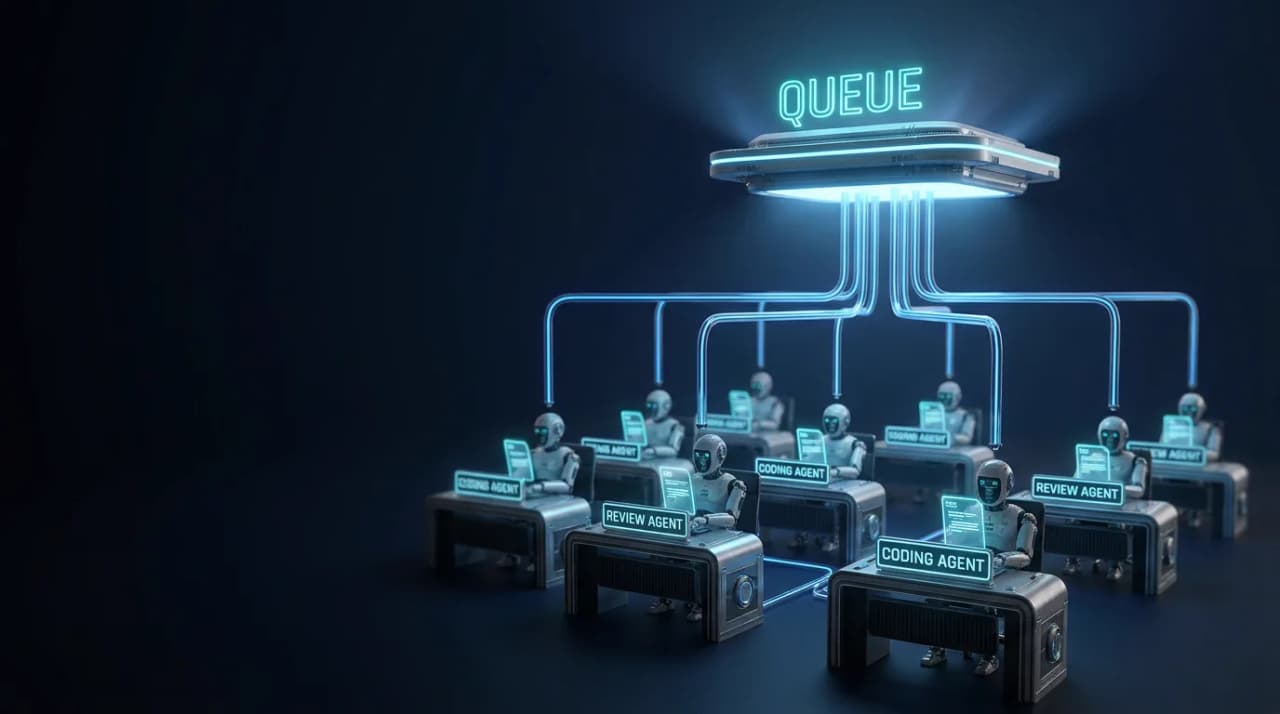
- Platforms that sit upstream (where bugs are reported, features are requested, work is queued) become natural dispatch centres for agents.
- Most product teams are asking the wrong question. The question isn't "should we build an agent?" It's "do we own the queue?"
There's a battle happening in software right now over AI agent platform strategy, and most product teams are watching the wrong fight.
Everyone is fixated on which AI model writes better code, which coding agent closes more PRs, which company will win the agentic layer. That's the wrong frame. The model race will commoditise. The agent race will commoditise. The platform that sits where work originates will not.
Linear figured this out early. Their CEO Kirill Vasiltsev put it plainly in a recent conversation: "Linear becomes kind of like a system for guiding the agents and building this context. This is the perfect business for this era because it's still SaaS. You're the one who has the sticky interface, because it's where everyone is kicking things off from and where they're recording all the information. But you don't have to pay for any of the actual tokens."
Read that last sentence again.
Why agents need an upstream platform, not just a model
An agent without context is just a fast typist. It can generate code, draft responses, process requests. But ask it "what are the three most important bugs affecting our enterprise customers right now?" and it has nothing. Unless it can reach the system that knows.
Context is accumulated over time. Which features were requested by which customers. Which bugs have been deferred and why. How the team has historically prioritised work. What "done" looks like for this particular team. None of that lives in the model. It lives in the platform where the team does its work.
This is what makes the upstream position so defensible. Linear isn't trying to win by building the best coding agent. It already has something no coding agent has: the organisational memory of every team that uses it. When Coinbase builds a homegrown coding agent, that agent integrates with Linear because that's where the work is. The agent comes to Linear. Not the other way around.
That's the platform dynamic product leaders should be thinking about.
I've built production multi-agent systems across two vertical SaaS platforms. The single biggest predictor of agent usefulness wasn't model quality or prompt engineering. It was whether the agent had access to accumulated context: prior decisions, customer history, workflow patterns. Without a structured record, the agents made plausible but wrong calls. With it, they got things right the first time.
Context is the decision layer agents can't supply themselves
Kirill made another point that's easy to miss. "You can task a million agents doing something, but should they? What are those things they should be working on? Probably not all of those. If you don't think about it, a lot of that work is not necessarily that useful. You need to have some kind of decision-making process: is this actually important? Should we do this?"
This is the coordination problem that gets ignored in most agentic AI discussions. Everyone talks about agents executing work. Far fewer people talk about which work deserves to be executed at all. That decision layer requires context that's been accumulated over months or years. It's not prompt-able. It's not fine-tunable. It lives in the system where the team has been recording its intent.
Linear is positioning itself as that system. Not the executor of work, but the arbiter of it. That's the organisational structure agents actually need to produce useful output rather than busy noise.
The kitchen sink trap
There's a tempting counter-move here: if context is the moat, just build more features and accumulate more context. Become the platform that does everything.
Linear doesn't do this. Deliberately. They opened up an agent platform with strong documentation, let other tools integrate, and focused on deepening their specific position rather than expanding their footprint. As Kirill put it: "We don't try to own everything in this world or in this market. We can play with other companies too."
This is strategic restraint that most SaaS companies can't pull off because their investors won't allow it. The impulse to ship every AI feature, to be seen as "doing AI," to capture as much surface area as possible. It's understandable. It's also how you lose the upstream position. The moment you become a general-purpose tool, you've given up the specific workflow entrenchment that makes you valuable.
The platforms that matter in the agent era will be narrow, deep, and positioned at the point where work enters the system.
What this means for your SaaS platform strategy
Ask yourself a simple question: where does work enter your system?
Not where does it get completed. Where does it arrive. Where do problems get named, requests get filed, priorities get set. If the answer is somewhere else and your product is downstream of that, you have a positioning problem. Agents will increasingly be dispatched from the point of origin. Platforms that sit downstream of that decision will get bypassed.
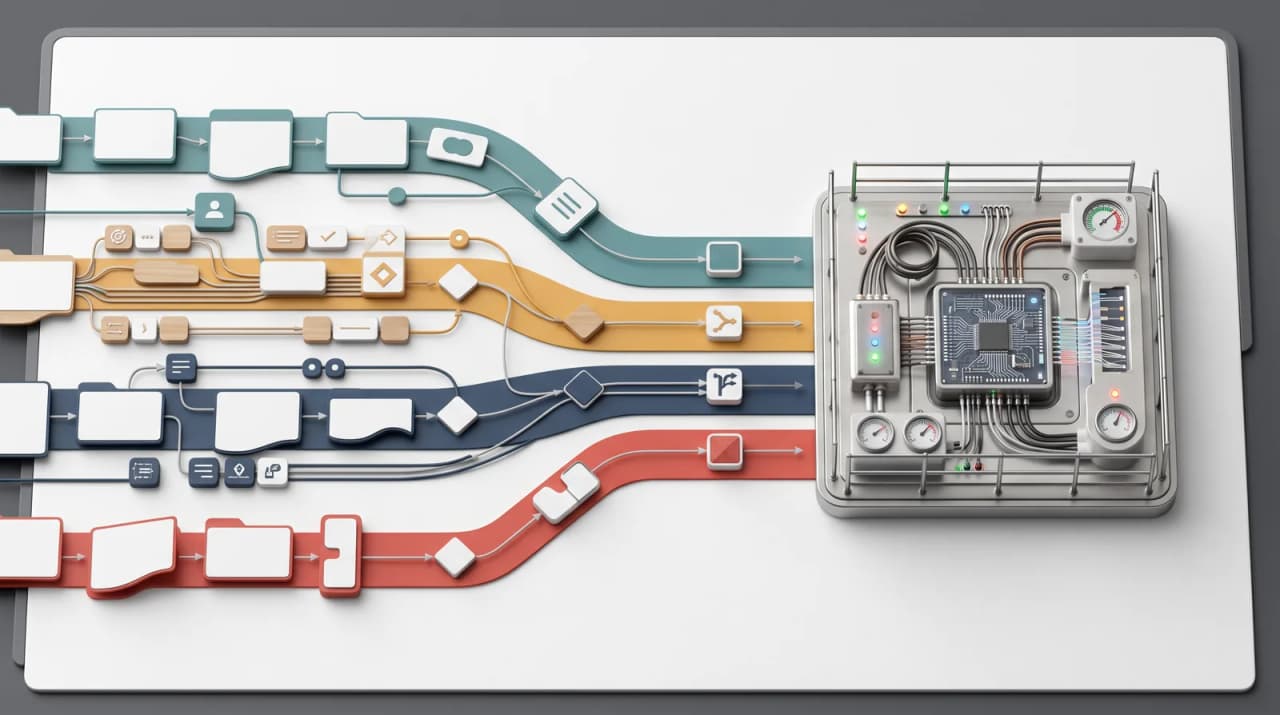
The opportunity is to own the queue. That might mean building deeper into the upstream workflow. It might mean rethinking what problem your product actually solves. Or it might mean being honest that your product is a destination rather than a system of record, and building your AI strategy accordingly. For a sharper test of whether your product sits on the right side of this line, see SaaS Isn't Dead. Hollow SaaS Is.
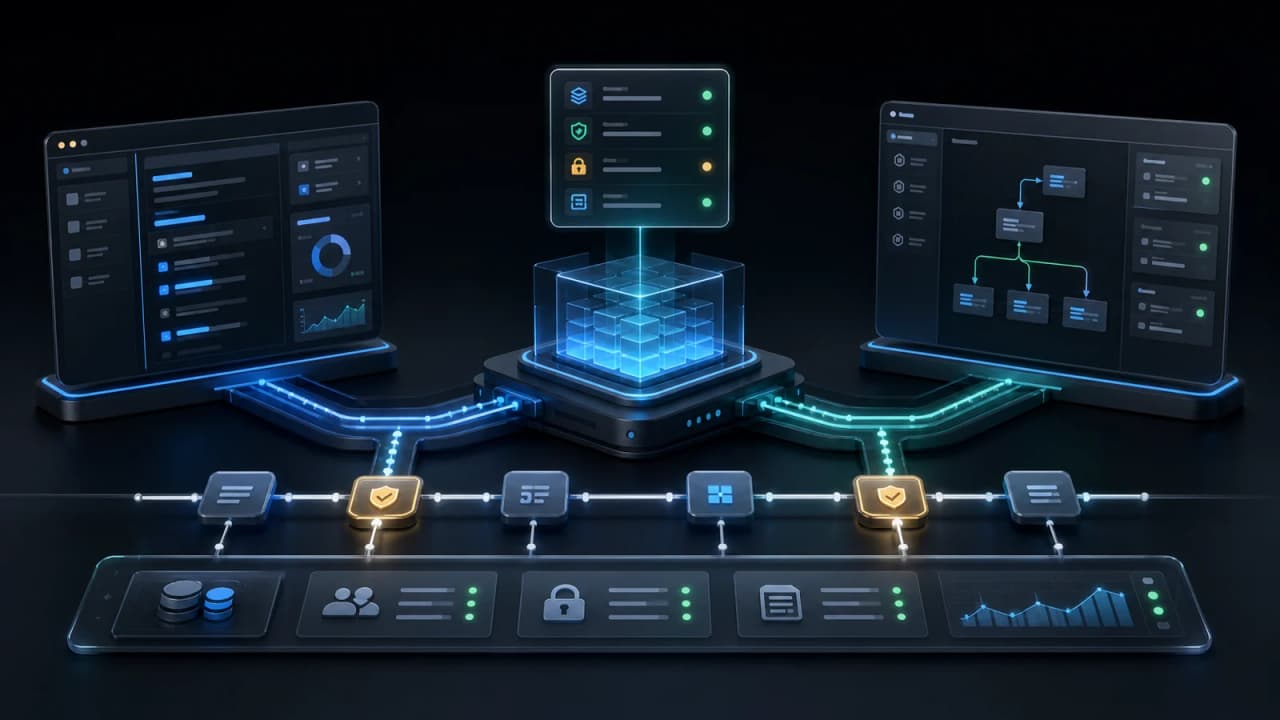
Owning the queue is only half the job. The next step is to make the platform legible to agents, so work can move from intent to action through stable contracts, permissions, state, and review paths rather than brittle browser clicks.
The model you use doesn't matter much. The token costs will fall. The agents will commoditise.
What won't commoditise is knowing what to build, in which order, and why. That knowledge lives somewhere. The platform that holds it will coordinate everything else.
Related: 3 Agentic AI Patterns from Google's Playbook and SaaS Isn't Dead. Hollow SaaS Is.
Logan Lincoln
Head of Product based in Currumbin Waters, Australia. Led a $70M regulated B2B SaaS portfolio at Cotality, then founded OpenChair and took its product strategy from market entry into paid production use.