Taste Is the Last Skill AI Can't Commoditise
TL;DR
- AI can generate a thousand options. It can't tell you which one matters.
- Taste is the compound skill of judgment, empathy, and restraint that determines whether AI output creates value or noise
- The product leaders and designers who develop taste will be the most valuable people in any organisation. Everyone else is directing a firehose at a wall.
A designer on my team once killed a feature that had taken three weeks to build. It worked. It tested well in isolation. The engineering team was proud of it. She looked at it in context of the full product and said: "This makes the screen busier without making the user's life better. Cut it."
She was right. The feature would have diluted the product's clarity for a marginal engagement bump. That call required no technical skill. It required taste.
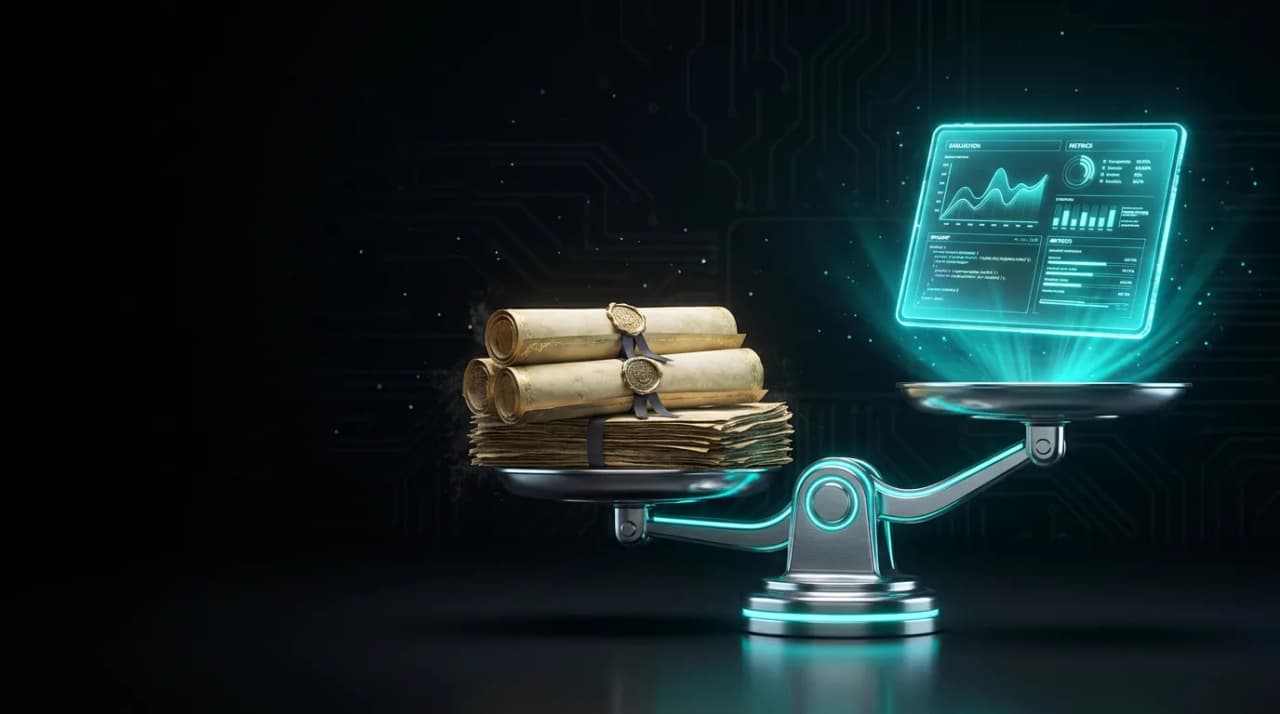
AI is about to make taste the single most valuable professional skill in product development. Not coding. Not prompt engineering. Not "AI literacy." Taste.
The execution surplus
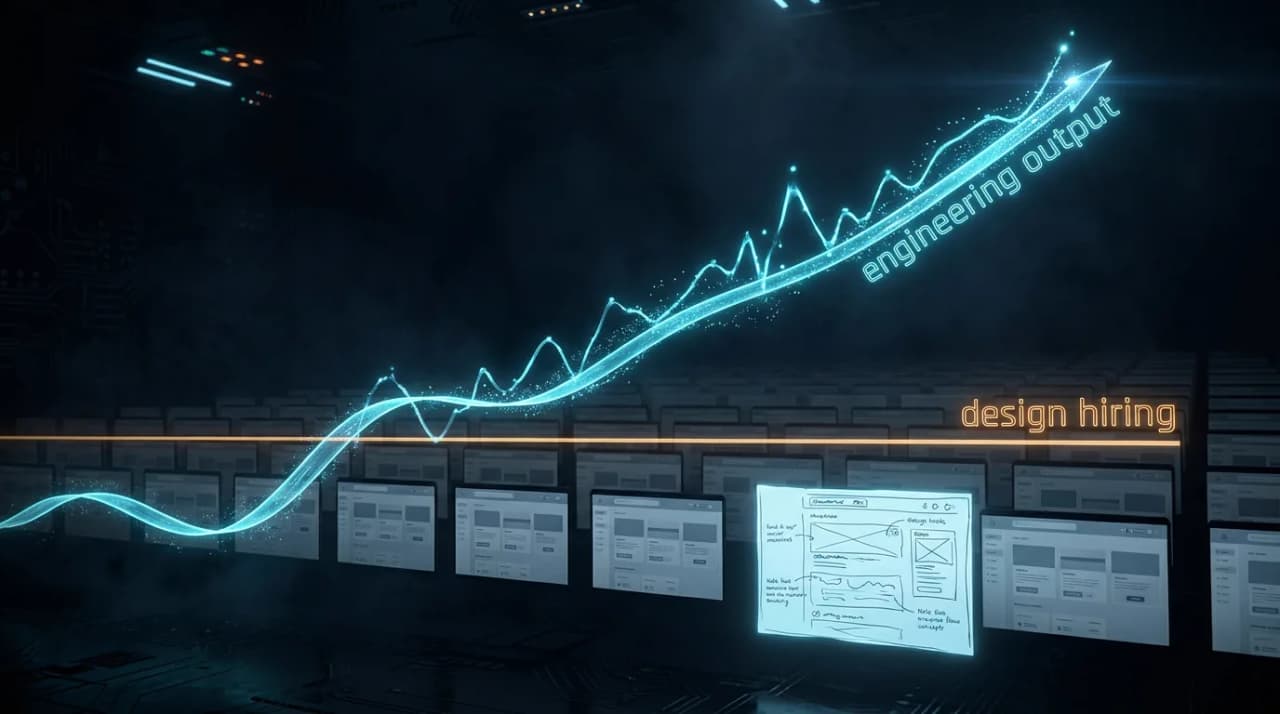
We've entered a period of execution surplus. The cost of generating code, designs, copy, analysis and prototypes has collapsed. I have seen this directly through OpenChair's production platform and a second vertical prototype. What becomes scarce is not output. It is the judgement to decide what deserves to exist and what evidence should change the plan.
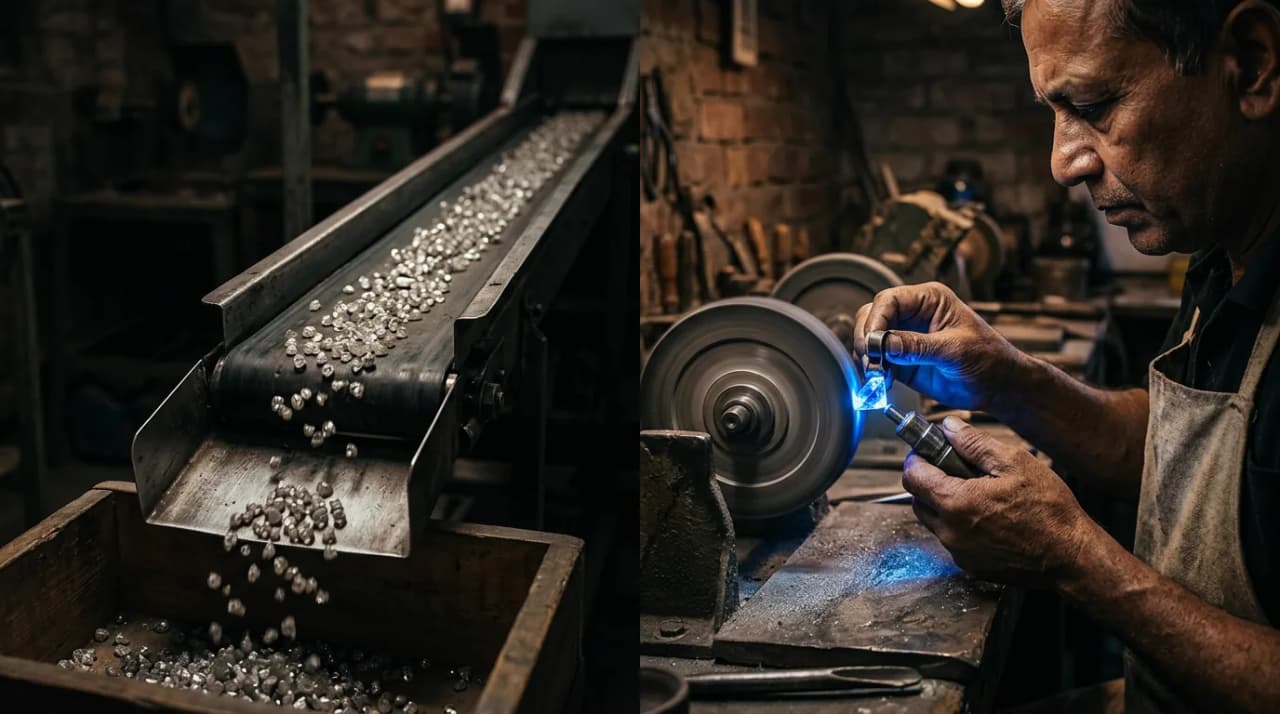
The bottleneck has inverted. We don't have a shortage of output. We have a surplus. And surplus without curation is noise.
AI can generate a thousand icon variations. It can't tell you which one belongs in your product. It can write twenty versions of a landing page. It can't tell you which one earns trust with your specific audience. It can architect three different data models. It can't tell you which one you'll regret in eighteen months.
That gap between generation and selection is taste. And it's widening, not closing, as AI gets better at generation.
What taste actually is
Taste isn't aesthetic preference, though aesthetics are part of it. In product development, taste is a compound skill built from three components:
Judgment under ambiguity. Most product decisions don't have objectively correct answers. Should you add this feature or simplify the existing one? Should you optimise for power users or new users? Should you ship now with known limitations or wait for completeness? Taste is the ability to make these calls well, consistently, when the data doesn't give you a clear answer.
Empathy at scale. Knowing what a user needs before they can articulate it. This isn't mystical. It comes from accumulated exposure: thousands of customer conversations, hundreds of usability sessions, years of watching people struggle with software you built. AI can summarise user research. It can't feel the frustration of a user who clicks three times to do something that should take one.
Restraint. The hardest part. Knowing when to stop. When the AI generates twelve clever variations, taste is the discipline to pick one and ship it rather than A/B testing all twelve. When a stakeholder requests a feature that would "only take a day," taste is recognising that the feature adds cognitive load that degrades the experience for everyone else. When you can build anything, the most important skill is knowing what not to build.
Why AI makes taste more valuable, not less
There's an intuitive argument that AI will eventually develop taste. I don't buy it, at least not in any timeframe that matters for your career.
Taste requires context that AI doesn't have: the history of your product decisions, the political dynamics of your organisation, the emotional state of your users, the competitive landscape filtered through years of pattern recognition. AI can approximate some of this with enough data. But taste operates in the gap between what the data says and what you should do anyway, because you've developed an intuition that the data hasn't caught up to yet.
More importantly, taste is exercised through consequence. You develop taste by shipping things that fail, by killing features users said they wanted, by choosing simplicity when complexity was easier to justify. AI doesn't bear consequences. It doesn't learn from watching a product it designed get rejected by the market. It generates the next output with the same cheerful indifference to whether the last one mattered.
When I built UX capability from zero to six designers at Cotality, the thing that separated the strong designers from the adequate ones was never tool proficiency. It was this: could they look at a screen and know, in their gut, whether it respected the user's time? That instinct came from years of building, testing, failing, and rebuilding. No shortcut. No prompt.
Why do AI-generated products all feel the same?
You can see the taste gap in the current wave of AI-built products. Scroll through Product Hunt on any given day and you'll find dozens of AI-generated applications that are technically functional and aesthetically competent. They work. They look fine.
They all feel the same.
Same layout patterns. Same component choices. Same copy cadence. Same feature density. They're the product equivalent of AI-generated stock photography: technically correct, emotionally flat, instantly forgettable.
The products that break through this wall are the ones where a human with taste made hard choices. Stripped out features. Insisted on a specific interaction pattern that felt right even when the AI suggested something more conventional. Chose a voice for the product that was opinionated rather than safe.
Generative UI doesn't solve this problem. It amplifies it. When the interface itself is AI-generated, the quality of the output depends entirely on the taste of the person directing the generation. A product builder with taste and generative UI tools creates something extraordinary. A product builder without taste and generative UI tools creates a very fast firehose of mediocrity.
How taste develops (and how it doesn't)
Taste can't be taught in a course. But it can be developed deliberately.
Ship things and watch them fail. Not in a sandbox. In production, with real users, where real money is at stake. I learned more about product taste from watching OnTheHouse grow to a million monthly visitors than from any framework or methodology. When you see which design choices retain users and which ones bounce them, you develop a pattern library in your head that no AI has access to.
Study great products obsessively. Not "great products" as in "products that are popular." Products that demonstrate restraint. Products where you can tell someone said no to a hundred features so the ten that remain feel inevitable. Apple's original iPhone had no copy-paste. That was a taste decision, and it was correct at launch.
Develop opinions and defend them. Taste requires a point of view. "It depends" is the enemy of taste. If you can't articulate why your product should look and feel a specific way, and defend that position against a stakeholder who wants it different, you don't have taste yet. You have preferences. Preferences fold under pressure. Taste holds.
Absorb adjacent disciplines. The best product people I've worked with read architecture and graphic design and film criticism, not because those fields are directly relevant, but because taste is a transferable pattern. Someone who understands why a building feels welcoming or why a film edit creates tension brings that sensibility to product work. It's cross-pollination, not distraction.
The career implication
If you're a product manager, designer, or engineer planning your career for the next decade, here's the bet I'd make: invest in taste.
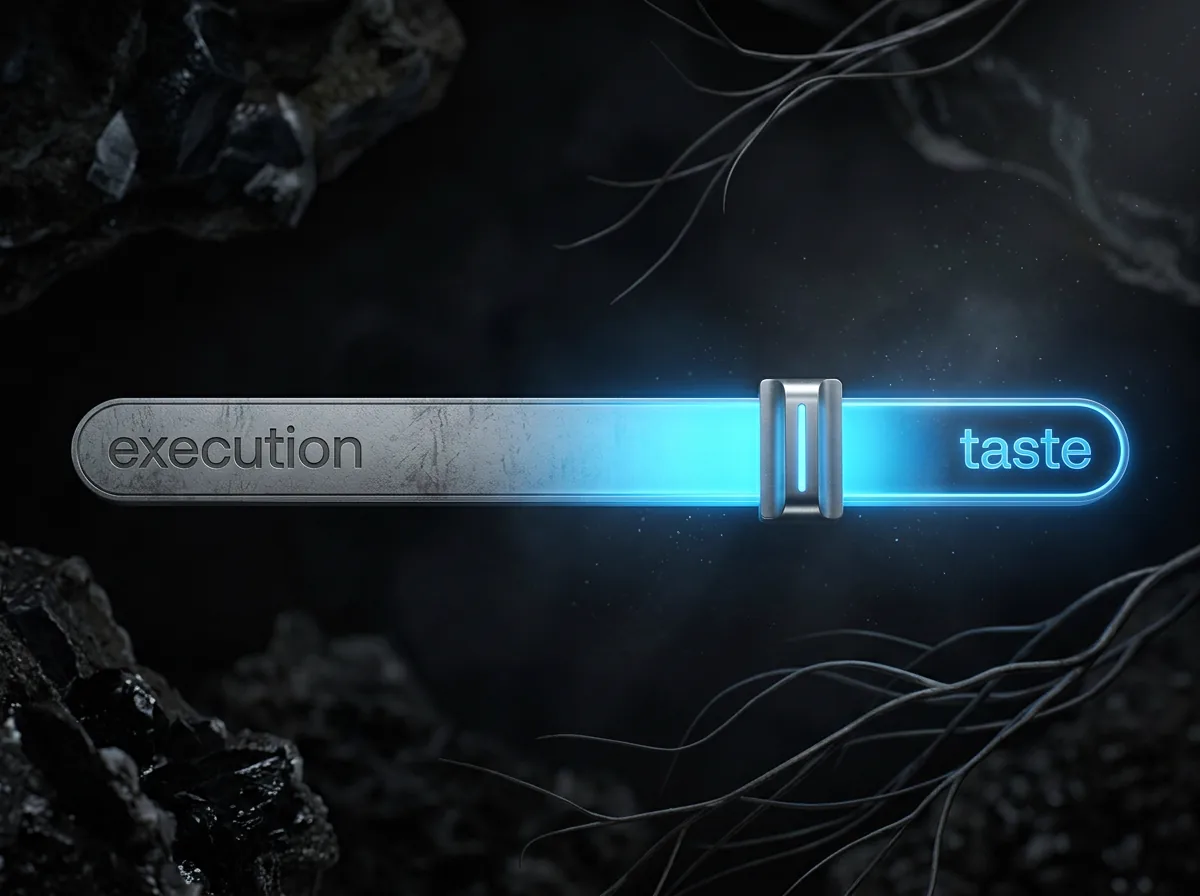
Not because AI won't get better at execution. It will. That's precisely why taste matters more. As the cost of building approaches zero, the value of knowing what's worth building approaches infinity. The translation layer is already dead. What replaces it isn't prompt engineering or AI literacy. It's the ability to direct AI output with enough judgment that the result is worth shipping.
The people who develop taste will run the products. Everyone else will be interchangeable operators of increasingly powerful tools, generating output that someone with taste will evaluate and, more often than not, reject.
Taste is the last skill standing. Build it like your career depends on it, because it does.
Frequently Asked Questions
Can taste be measured or evaluated in hiring?
Not through traditional interview questions, but through portfolio review and design critique exercises. Ask candidates to evaluate existing products, not build new ones. Someone with taste can articulate what's wrong with a product and why, with specificity. Someone without taste says "it looks good" or offers generic critique.
Is taste the same as design thinking?
No. Design thinking is a methodology. Taste is a judgment skill. You can follow every step of the design thinking process and still produce something mediocre if you lack the judgment to make hard tradeoffs. Taste is what tells you which design thinking output to actually ship.
What if my organisation doesn't value taste?
Then your organisation will produce technically functional, emotionally flat products that compete on features rather than experience. In a world where AI makes features trivially copyable, that's a losing strategy. The organisations that value taste will differentiate. The ones that don't will race to the bottom on price.
Logan Lincoln
Head of Product based in Currumbin Waters, Australia. Led a $70M regulated B2B SaaS portfolio at Cotality, then founded OpenChair and took its product strategy from market entry into paid production use.